


The Hidden Dangers ofUltra‑Processed Foods and Sugar


I wrote a blog about the dangers of ultra‑processed and sugary foods. I included findings from several studies, one of which was the overall conclusions from seventy‑three studies. Armed with this alarming data, I wrote my blog to help all to be motivated to make some eating changes. My husband Dave read my blog and gave it a thumbs down. What? He said it was too much information, data, and complexity. He said he needed me to scare him with a skosh of facts and then just tell him what to do as plainly as possible. So here it is.
Too much ultra-processed food and sugar bad. Suffer. Die.
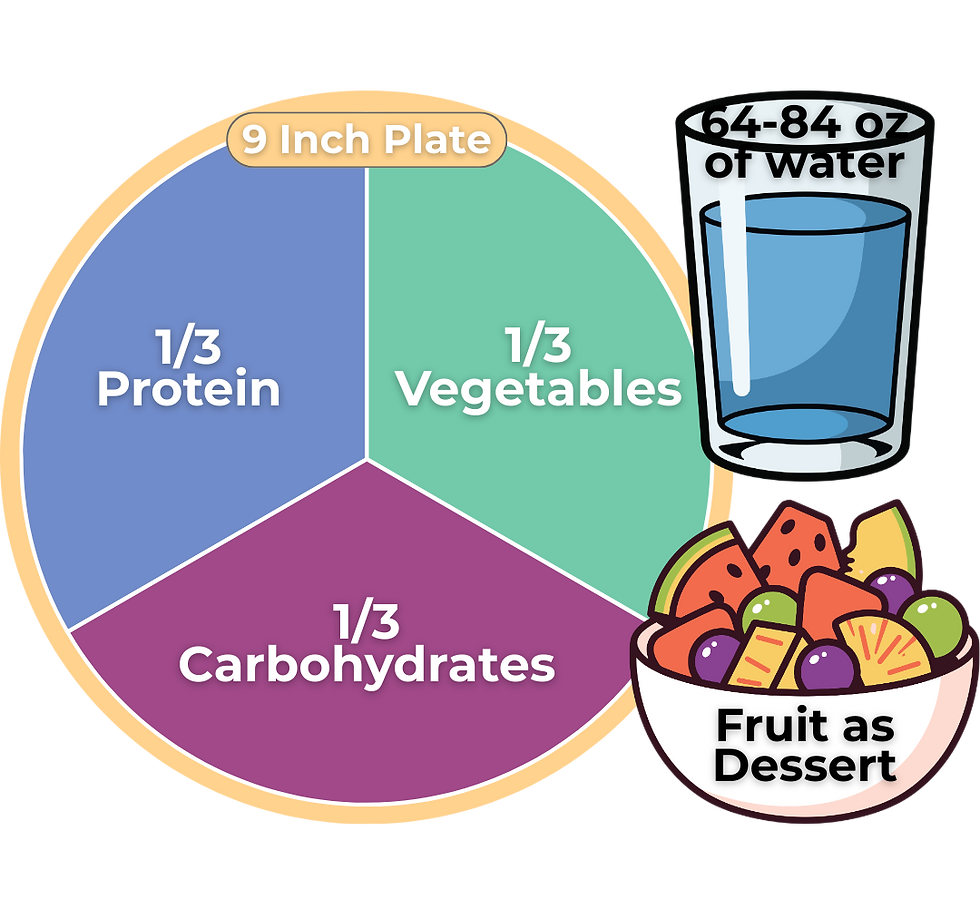
Eat what nutrition guide says HERE.
If this is all you need to know, then stop reading and start eating better. If you’d like to know more, keep reading. You might want to understand the studies better, or you might have a question like what are ultra‑processed foods? Well now that I know I’ll tell you.
What Are Ultra‑Processed Foods?
Ultra‑processed foods are products that have been changed so much from their original form that you can’t recognize the basic ingredients anymore. For example, how much does that corn chip resemble an ear of corn? They often contain artificial flavors, colors, preservatives, sweeteners, and stabilizers, which take them far away from the category of whole, real food.
Common examples include:
Packaged snacks
Sugary cereals
Frozen meals
Fast food
Processed meats (bacon, sausage, ham, salami, hot dogs, deli meats, canned meats, jerky)
Sweetened drinks
Candy and factory‑made baked goods
A helpful rule of thumb: If it comes in a package and has a long ingredient list with words you don’t recognize, it’s probably ultra‑processed.
Check labels for as few ingredients as possible, and as close to real food as possible. My natural peanut butter ingredient list says: Peanuts. That’s it. My husband’s peanut butter ingredient list says: Peanuts, sugar, hydrogenated cottonseed, soybean, and rapeseed oils, salt, molasses, monoglycerides. The difference is obvious and underlines the importance of checking labels. Also, I need to have a chat with my husband.
Now for the Nerdy Science Part (All in One Place!)
Scientists have been studying how ultra‑processed foods and sugar affect aging, and the results are eye‑popping. Also panic‑inducing. Here’s the simplified, combined version of what all those studies found:
Ultra‑processed foods and sugar harm almost every system in the body.
Across multiple studies — including one umbrella review of 73 analyses — researchers found that diets high in ultra‑processed foods and added sugars are linked to:
Metabolic Problems
Higher blood pressure
Larger waist size
Higher insulin and triglycerides (most common fat in the body)
More inflammation
Higher risk of diabetes
Fatty liver
Brain and Cognitive Decline
Increased cognitive problems in adults 55+
Higher risk of dementia and Alzheimer’s
Insulin resistance in the brain
Buildup of harmful AGEs (toxins that lead to chronic disease)
Inflammation and oxidative stress that damage brain cells
I’m imagining eating something sugary and my tiny cells screaming “nooo, save me!”
Frailty and Organ Decline in Older Adults
Frailty
Abdominal obesity
Poor cholesterol patterns
Declining kidney function
Malnutrition
We aging folks are already vulnerable to so many problems in our body systems, and ultra‑processed foods just make everything even worse. Nobody needs that.
Faster Biological Aging
Sugar speeds up the aging of our cells
Even small increases in sugar accelerate metabolic decline (the body has trouble converting food into energy).
Earlier onset of age‑related conditions
Higher Risk of Major Diseases
Heart disease
Several cancers
Gout and other inflammatory conditions like rheumatoid arthritis and crohn’s disease
Increased death from all causes
Whelp. Sugar negatively affects every system in the body. And I didn’t even tell you about what it does to skin.
What This Means for Healthy Aging
Looking at all of this research, the message is clear:
Ultra‑processed foods and added sugars make aging harder for every part of us.
So don’t eat ’em. Or only have them on very special occasions (Arbor Day doesn’t count).

Foods to Limit
Processed meats (choose natural or uncured versions if you must eat them)
Sugary drinks (including fruit juices)
Packaged snacks
Ready‑to‑eat meals
High‑sugar foods (cakes, candies, cookies)
Anything with long ingredient lists
Foods to Add
Fresh fruits and vegetables
Lean proteins
Whole grains
Nuts and seeds
Home‑cooked meals when possible
Lots of good old H2O

Start Small
We don’t need to overhaul our entire diet at once or eat our food with sadness. We can start with one simple shift at a time:
Swap a sugary drink for water. I like to squeeze a quarter of a lime into my water and drop the quarter in as well.
Choose fruit instead of packaged sweets or chips. Pair an apple with cheese and feel like a fancy gourmet.
Add one home‑cooked meal each week. Assign that to your partner or a friend…
After a while of eating well — and this is the honest truth — junky food starts to taste too sweet and/or gaggy, and the body craves real, whole food. Steamed, crispy vegetables become delicious, and a handful of berries is heaven.
In the end, we have to decide for ourselves if overindulging on sugar and ultra‑processed foods is worth the misery of possibly every chronic disease and early death, but I’ll tell you what–our precious little cells are screaming “noooooooooooooo.”
Research Sources:


Comments