


Nutrition &
Hydration
for Seniors
Our nutrition plan is all about:
-
Eating balanced nutritious meals
-
Getting enough protein
-
Staying hydrated
-
Easy portion control
Follow the steps below to get started.
.png)
STEP 1
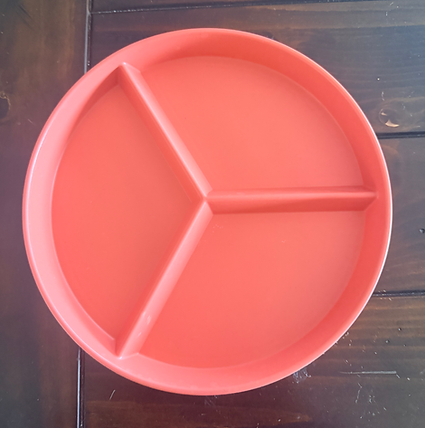
We don’t need a big ol’ regular plate to fill up. Using a nine-inch plate will help keep portions in check so we don’t have to think about it.
This is our favorite portion plate that already has the portions allocated for you but all you really need is a nine-inch plate that you will use to section your food into thirds.
STEP 2
Each meal you will split your plate into equal thirds for protein, vegetables, and starchy, whole-grain carbs. You can explore the food groups below to get ideas on how to fill your plate. Read our protein, vegetable and whole-grain, starchy carb blogs to get tips and ideas on how to fill your plate. We also have a simple recipe page with some of our favorite recipes that we are always adding too.


Main Food Group Guide

Protein
Eggs; nuts such as almonds and walnuts; lean meats like chicken and turkey; fish including fatty fish like salmon and tuna; dairy including high protein milk, cheese, Greek yogurt, and cottage cheese; lentils and beans. View list of Protein ideas here.

Vegetables
Eat A Rainbow: Green like kale, spinach and broccoli, Red like peppers, beets, and tomatoes, Orange and yellow like carrots, squash and sweet potatoes, Purple like cabbage and eggplant, etc. View list of vegetable ideas here.

Whole Grain & Starchy Carbohydrates
Whole wheat, rye, and sourdough breads, brown rice, quinoa, oats, whole wheat pasta, beans, etc. View list of healthy carb ideas here.
Additional Food Group Information

Healthy Fats & Condiments
Healthy fats are an essential component of a balanced diet, playing a crucial role in nutrient absorption, hormone production, and overall cell health. We incorporate healthy fats into our diets by using them in cooking, in spreads or toppings, in gravies and sauces, and in dressings. View list of healthy fat ideas.
When choosing condiments, check labels to choose those with healthy ingredients and fewer additives. Homemade is best. View condiment guidelines.

Sugary Treats and Processed Foods
Sugary treats like candy, cookies, and cake are unhealthful due to their high levels of sugar, which is toxic to our body systems. They are typically also low in fiber and are highly processed. These and other highly processed foods are those altered so much from their whole food state that most nutrients are gone, and often undesirable additives are put in.

SUPPLEMENTS?
There are thousands of supplements marketed for everything possible, and it is beyond our scope to make any sort of recommendations. Three of the most common supplements used by older adults in general are Vitamin D3, Omega 3 fish oil, and calcium. However, everyone has different needs and restrictions, so talk to your doctor, pharmacist, or a registered dietitian about your own supplement needs.
BRINGING IT ALL TOGETHER
There is a lot of confusing information about nutrition and hydration out there but all you really need is a nine-inch plate, whole, real foods and a 32 oz water bottle. Always follow your doctor's advice first but using these simple steps everyday will give you a head start on your health.

FAQs About Nutrition for Seniors
What is a healthy diet for seniors?
A healthy eating pattern for older adults can include a variety of vegetables and fruits, protein-rich foods, whole grains and other nutrient-rich carbohydrates, healthy fats, and adequate fluids. Individual needs vary depending on health, activity, medications, and other factors.
Why is hydration important for older adults?
Hydration supports many normal body functions. Older adults may not always experience thirst as strongly, so developing a habit of drinking fluids throughout the day can be useful.
Why is protein important for seniors?
Protein provides amino acids the body uses to maintain and repair tissues, including muscle. Pairing adequate nutrition with resistance training becomes especially important for maintaining strength as we age.
Do seniors need nutritional supplements?
Supplement needs vary considerably. Food is generally an important source of nutrients, while specific supplements may be recommended based on diet, health conditions, medications, or identified deficiencies. Discuss supplements with a healthcare provider, pharmacist, or registered dietitian.
How can seniors eat healthier without following a complicated diet?
Keep meals simple. Build them around a source of protein, plenty of vegetables, a nutritious carbohydrate, and healthy fats where appropriate. Choose whole and minimally processed foods frequently and add fruit for snacks or dessert.
What should seniors eat to help maintain muscle?
Regularly eating protein-rich foods while participating in appropriate resistance exercise can support muscle health. Your individual protein needs may vary based on health, body size, activity, and other factors.