


Cardiovascular Disease (CVD) and Seniors
Updated: Jul 27

My father died from congestive heart failure at 83 after years of high blood pressure, diabetes, and increasingly blocked arteries. His father, a life-long smoker, died from a fatal heart attack at age 61. My brothers all have genetic high blood pressure and heart disease, despite one of them having always lived an extremely healthy lifestyle. I inherited my mom’s low blood pressure, but after menopause I developed high cholesterol. Knowing my family’s history of CVD urges me to understand it and prevent it however I can.
Cardiovascular disease (CVD) is often an "insidious creeper" or in other words a quiet group of underlying conditions that affects a staggering number of people globally. In fact, it remains the leading cause of death worldwide. I did not know, before I did my research, that cardiovascular disease is an umbrella term for several different conditions of the heart and vessels.
I think the term cardiovascular disease can feel broad and overwhelming for many of us. For me, learning what it actually means gave me the tools to recognize and prevent it. Here is a breakdown of what CVD is, why it matters, and how we can take control of our heart health.
What Is Cardiovascular Disease?
Cardiovascular disease is a term covering conditions that affect the heart’s structure, function, or blood supply, as well as the blood vessels in the brain. These conditions cover everything from issues with the heart’s electrical system (like arrhythmias) to blockages in the vessels supplying our brain and heart.
It’s important to note that while all heart diseases are cardiovascular diseases, not all cardiovascular diseases are heart diseases. For example, a stroke is a cardiovascular event that impacts the brain's blood vessels, not just the heart muscle itself. The most common heart issues we elderly people face are hypertension (chronic high blood pressure) and coronary artery disease (CAD).
Why Should We Care?
I’ll tell you why. We’re getting older, as are our friends and family of a certain age. And as we age, the risk of developing heart-related issues rises surprisingly sharply. This is a direct threat to our healthy aging, and we owe it to ourselves to fight it. One positive is that many cardiovascular conditions share the same underlying risk factors. This means by making positive lifestyle changes to prevent or treat one, we are often helping to protect our hearts against many others. In addition, those good changes help with every other chronic condition. Taking our heart health in hand means more independence, energy, and vital longevity.
What Causes CVD? Hint–It’s The Usual Suspects
Lifestyle Factors: Smoking, alcohol abuse, a diet high in saturated/trans fats, physical inactivity, and lack of quality sleep.
Systemic Issues: High blood pressure, chronic inflammation, diabetes, and obesity.
External Factors: Infections and genetics.
Two of the Most Common CVDs for Seniors
As we get older, two unfortunate conditions rise in frequency:
Hypertension (Chronic High Blood Pressure)
It seems that I can’t throw a tomato and not hit someone with high blood pressure. Affecting 74% of people over 60 (wow), hypertension forces the heart to work harder and damages artery walls. While it is often caused by a combination of genetics, age, and diet, many risk factors are within our control (again with the usual suspects!):
Maintain a healthy weight (obesity accounts for up to 78% of primary hypertension cases).
Prioritize regular physical activity.
Manage sodium intake and alcohol consumption.
Review medications (like NSAIDs or steroids) with a doctor.
Coronary Artery Disease (CAD)
CAD is the most common form of heart disease, with the American Geriatrics Society reporting that up to 70% of adults 70 and older have significant blockages.
It happens when a "sticky" mixture of cholesterol, fat, and calcium builds up as plaque inside the arteries. Over time, the vessel hardens and narrows, and the heart muscle can’t get enough oxygen-rich blood. When an artery lining gets injured by things like high blood pressure, smoking, high cholesterol, or diabetes, plaque begins to build up. If that plaque ruptures, it can lead to blood clots, which are the most common cause of a heart attack. Because of my family history, I had a coronary artery scan last year. That’s a smart thing to consider for anyone with family history or concerns. Good thing my doctor is smart, because I had never heard of it before.
Early Signs of CVD
Heart disease is a tricky trickster in that it often develops slowly, and the early signs can be subtle. We simply cannot ignore these signs or put off checkups and tests (I’m talking to you stubborn boomers!). Let the alarm bells ring loud and get prompt medical attention if any of these symptoms appear:

Fatigue
Feeling unusually tired or weak, even after rest, can be an early indication of heart problems, as the heart struggles to pump blood effectively.
Shortness of breath
Difficulty breathing, especially after minimal physical activity or when lying down, may signal heart failure or a blocked artery.


Chest discomfort
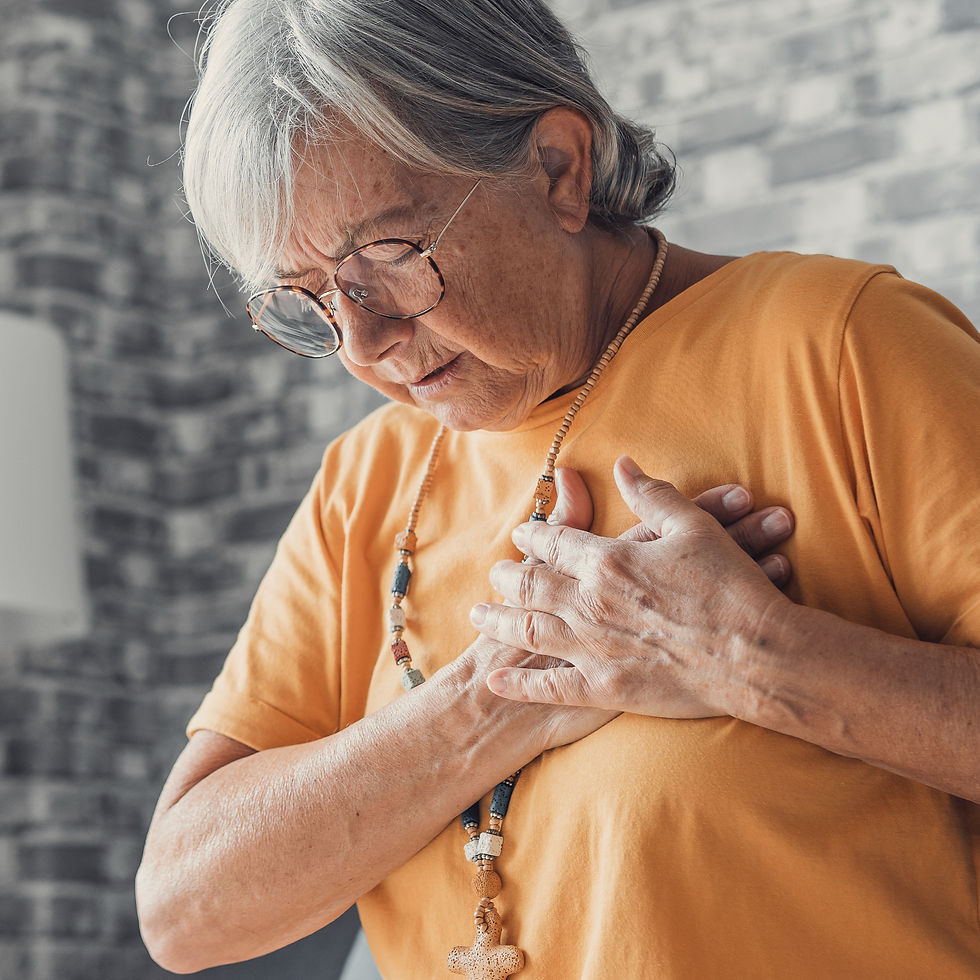
Seniors may experience discomfort or pain in the chest, which can range from a dull ache to sharp pains, often mistaken for other conditions like heartburn (acid reflux).
Swelling
Swelling in the feet, ankles, or legs can be a sign of heart failure, where the heart is unable to pump blood efficiently, causing fluid buildup.


Dizziness or lightheadedness
Feeling dizzy or faint may be caused by a lack of adequate blood flow to the brain due to heart problems.
These symptoms can be caused by other conditions, but it is critical that we get checked out by a health professional to rule out heart problems. Years ago, my brother was in the hospital for a stroke. My much-loved sister-in-law was sitting by him when I visited, and I noticed her ankles were swollen. I asked about it, but she assured me she was taking her blood pressure meds and was fine. Not too much later she died from an aneurism. I wish I had pushed for her to get checked out and not been distracted by my brother’s condition. It haunts me to this day.
An Action Plan that Helps Across all CVDs
You know what’s coming next! Because we need to be proactive managers of our own health, we can make immediate changes to keep our heart and blood vessels in golden form:
Quit Smoking: This is one of the most effective ways to protect our vessel walls.
Heart-Healthy Eating: Focus on nutrient-rich foods, including healthy fats like omega-3s (found in foods like salmon and walnuts).
Keep Moving: Regular, moderate exercise is essential for heart health.
Manage Stress: Chronic stress takes a physical toll on cardiovascular systems.
Stay Vigilant: Regularly monitor blood pressure and blood sugar, get routine bloodwork (including cholesterol screenings), and keep up with annual checkups.
Know Family History: Understanding family health backgrounds helps identify our specific risk factors.
The Heart of the Matter
I’ve said it before and I’ll say it again–we have to own responsibility for our health. Lifestyle changes and constant vigilance are not easy. But we can improve our mature years one little habit at a time and enjoy the benefits in every aspect of our lives. Let’s take care of the old ticker, because we’re worth it–you’re worth it! I believe in us!
Disclaimer: This information is for educational purposes and is not a substitute for professional medical advice. Always consult with your healthcare provider regarding your specific health concerns.


Comments