


Cardio Exercises for Seniors
Cardio does not have to mean sprinting, sweating buckets, or doing anything that makes our knees feel like death. For older adults, the best cardio exercises for seniors is anything that gets the heart pumping a little faster while still being gentle on the joints and enjoyable enough to stick with. Here are some great options to help us stay active and full of energy.
Walking
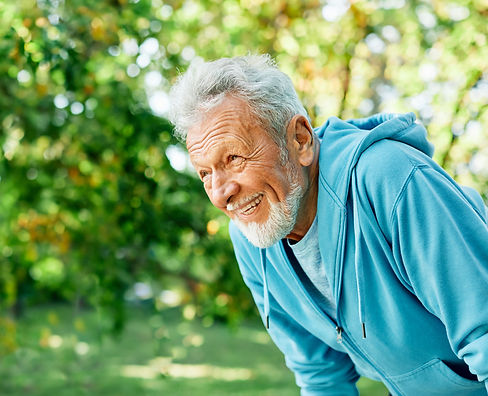
Walking is one of the most accessible forms of cardio. It is low‑impact, easy on the joints, and great for heart health. We love to walk outside, whether it’s in our neighborhood, in the mountains, or on a river trail. When it’s rainy or snowy like today, we hit the treadmill and listen to a book or podcast.
Water Aerobics
Water supports our body weight, which makes movement easier on sore joints. The resistance of the water helps build strength and endurance. This is especially helpful for arthritis or post‑injury recovery. Every rec center pool I know of offers classes, which also provides social connection. I’ve gone to water aerobics on a summer evening with a friend, and it’s so fun!

Chair Yoga
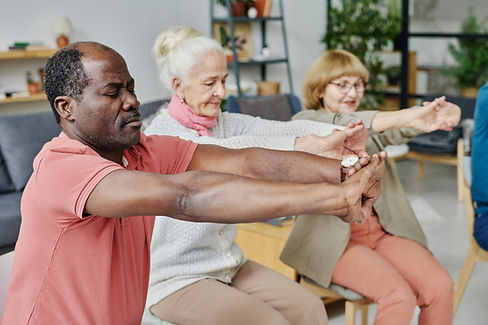
Chair yoga offers gentle stretching and movement while keeping us supported. It is ideal for anyone with limited mobility or balance concerns and still provides cardiovascular and flexibility benefits. There are classes in person or online, and lots of printable guides.
Dancing
Dancing lifts the heart rate, improves balance and coordination, sharpens the mind, and brings joy. We can do whatever kind of dancing we like, following an online class or in person. I’ve seen line dancing, zumba, hip hop, and salsa offered in our area. I personally love me a zumba class, but boy, do I get out of breath!


Yard Work
Gardening, raking, and light yard work provide steady movement, fresh air, and a mood boost. It is a natural way to stay active without feeling like we are “exercising.” I like to mow the lawn in the mornings and work up a good sweat.
Swimming
Swimming is a full‑body workout that is gentle on joints and excellent for endurance. It is also a great option for people recovering from injuries. The best swimming, of course, is done in the ocean by the resort where one is vacationing. I haven’t done that in waaaaaay too long.


Bicycling
Cycling strengthens the legs, supports balance, and is easy on the joints. Indoor bikes offer safety and convenience, while outdoor rides add fresh air and scenery. I prefer an indoor bike but hubby prefers biking in the wild.
Pickleball
Pickleball is popular for a reason. It improves cardiovascular endurance, balance, and coordination while offering a fun social experience. My daughter loves pickleball with her friend group, but she says the older people playing nearby are so good they could kick the youngster’s butts!


Tennis
Tennis provides heart‑healthy movement, coordination, and arm strength. Doubles tennis can be a gentler option with shorter bursts of activity. I’ve never been a tennis player, but I know it is great for fitness. Dunno about the little white skirts, though.
Rowing
Rowing machines offer a full‑body cardio workout that also builds strength. It is adaptable for different fitness levels and easy on the joints. I went kayaking once, and loved it, plus it was a good workout. If, unlike me, you live near a body of water, that’s also an option.


Low‑Impact Aerobics
These routines raise the heart rate without stressing joints. They also offer mental benefits and a sense of community when done in a group. I haven’t done low-impact aerobics since the 90’s, but YouTube tells me there are hundreds of modern versions to try.
Tai Chi
Tai Chi is a gentle, flowing form of movement that improves balance, flexibility, and mental clarity. It is often called “meditation in motion.” I’ve seen groups doing Tai Chi in parks before, and I imagine being in nature ups the benefits of it.


Interval Training
Short bursts of activity followed by slower movement can improve endurance and reduce fatigue. This can be as simple as alternating slow and brisk walking. My husband and I notice that the more passionately we speak on a subject, the faster we walk, and we slow down for milder topics. Does that count?
Cardio Exercises for Seniors: Keep Your Heart, Body, and Independence Moving
Cardio exercise isn’t just about working up a sweat. As we get older, regular cardiovascular activity can play an important role in maintaining the stamina and endurance we need for everyday life—from walking through the grocery store and climbing stairs to gardening, traveling, playing with grandchildren, and simply getting through a busy day without feeling exhausted.
And cardio exercise for seniors doesn’t have to mean running, jumping, or doing intense workouts.
Walking, cycling, swimming, dancing, marching in place, water aerobics, and even some seated exercises can all increase your heart rate and get your cardiovascular system working. The goal is to find activities that are appropriate for your current abilities and that you actually enjoy enough to keep doing.
How Much Cardio Should Seniors Get?
Federal physical activity guidelines recommend that adults, including older adults, work toward at least 150 minutes of moderate-intensity aerobic activity each week, or 75 minutes of vigorous activity, along with muscle-strengthening activities at least two days per week.
That 150 minutes doesn't have to happen all at once.
For example, 30 minutes of moderate activity five days per week reaches the recommendation. You can also accumulate activity through shorter sessions throughout your week.
If you aren't currently close to that amount, don't let the number discourage you. Some physical activity is better than none, and you can gradually build toward longer or more frequent sessions.
Cardio Exercise Is About More Than Your Heart
We often associate cardiovascular exercise with heart health, but staying aerobically active can support much more.
Regular physical activity can help maintain endurance, mobility, physical function, sleep, mood, metabolic health, and the ability to continue doing everyday activities independently.
That's one reason cardio is one of the Five Pillars of Healthy Aging at Ageless Conversations.
We aren't exercising simply to check off a box that says we exercised today.
We're training for life.
We're training to walk farther, explore new places, climb the stairs, work in the garden, keep up with family, carry groceries, travel, dance, and continue saying yes to the things we want to do.
Frequently Asked Questions About Cardio Exercises for Seniors
What is the safest cardio exercise for seniors?
Walking is an accessible option for many older adults, but the safest exercise depends on your health, balance, mobility, joint health, and current fitness level. Stationary cycling, swimming, water exercise, and seated cardio may be better choices for some people.
What cardio can seniors do with bad knees?
Lower-impact activities such as swimming, water aerobics, stationary or recumbent cycling, and certain seated cardio exercises may put less impact on the knees than running or jumping. Persistent or significant knee pain should be discussed with a qualified healthcare professional.
Can seniors do cardio every day?
Many older adults can participate in some form of physical activity daily, especially when intensity and activities vary. Recovery is still important, particularly after longer or more challenging workouts. Your individual health and fitness level should guide your routine.
Can you improve cardio fitness after 60?
Yes. Older adults can improve cardiovascular fitness through regular aerobic activity. Start at an appropriate level and gradually increase the duration or intensity as your endurance improves.
Is walking enough cardio for seniors?
Walking can absolutely count as cardiovascular exercise when performed at an intensity that raises your heart rate and breathing. As fitness improves, increasing pace, distance, duration, or incline can make walking more challenging.
How long should a senior cardio workout be?
There isn't one required workout length. Beginners may start with just a few minutes and gradually build endurance. Cardio activity can also be divided into shorter sessions throughout the day rather than completed in one long workout.
Social Benefits
It must be noted that anytime we do an exercise activity with other people, we gain the huge benefits provided by social interaction. These include a myriad of physical, cognitive, motivational, and emotional gains, so anytime we can exercise with others, we should do it!
A Few Safety Notes
-
Avoid high‑impact activities that strain the joints.
-
Long‑distance running is usually not ideal for older adults.
-
Always stretch before and after activity to protect muscles and joints.
Cardio should feel good, not intimidating. The best choice is the one we enjoy enough to do regularly. Which of these activities feels like the right fit for your weekly routine?
Disclaimer: The information in this article is for informational purposes only, and should never be used as a substitute for direct medical advice from your doctor or other qualified clinician. Talk to your own medical professional before making any changes to your health practices.