



Sleep for Seniors: Healthy Sleep
Habits for
Better Aging
Sleep is not wasted time; it is one of the most important investments we can make in our vitality, regardless of our age. Without good sleep, our health and well-being are negatively impacted across all areas of life. At Ageless Conversations, we believe that building habits for restful sleep is key to waking up refreshed and thriving.
Quality sleep supports essential aspects of our health, including:
-
Brain health and memory
-
Mood and emotional resilience
-
Pain management
-
Immune function
-
Weight control
-
Cardiovascular health
STEPS:
-
Establish a consistent sleep schedule and bedtime routine–read our blog on sleep
-
Optimize your sleep environment for comfort, light, and noise
-
Explore science-backed tips and resources to build restful sleep habits
The resources below will help you learn more about sleep hygiene and research for older adults, and offer science-backed tips on aging well. You can also download the getting started guide with a weekly tracker included to track your daily goals across the five pillars.

Healthy Sleep for Seniors
Many older adults believe poor sleep is simply part of aging, but apparently that is not true. Research shows that healthy sleep is absolutely possible later in life, and it plays a major role in physical health, mental well‑being, and brain function. Read our blog to learn more.


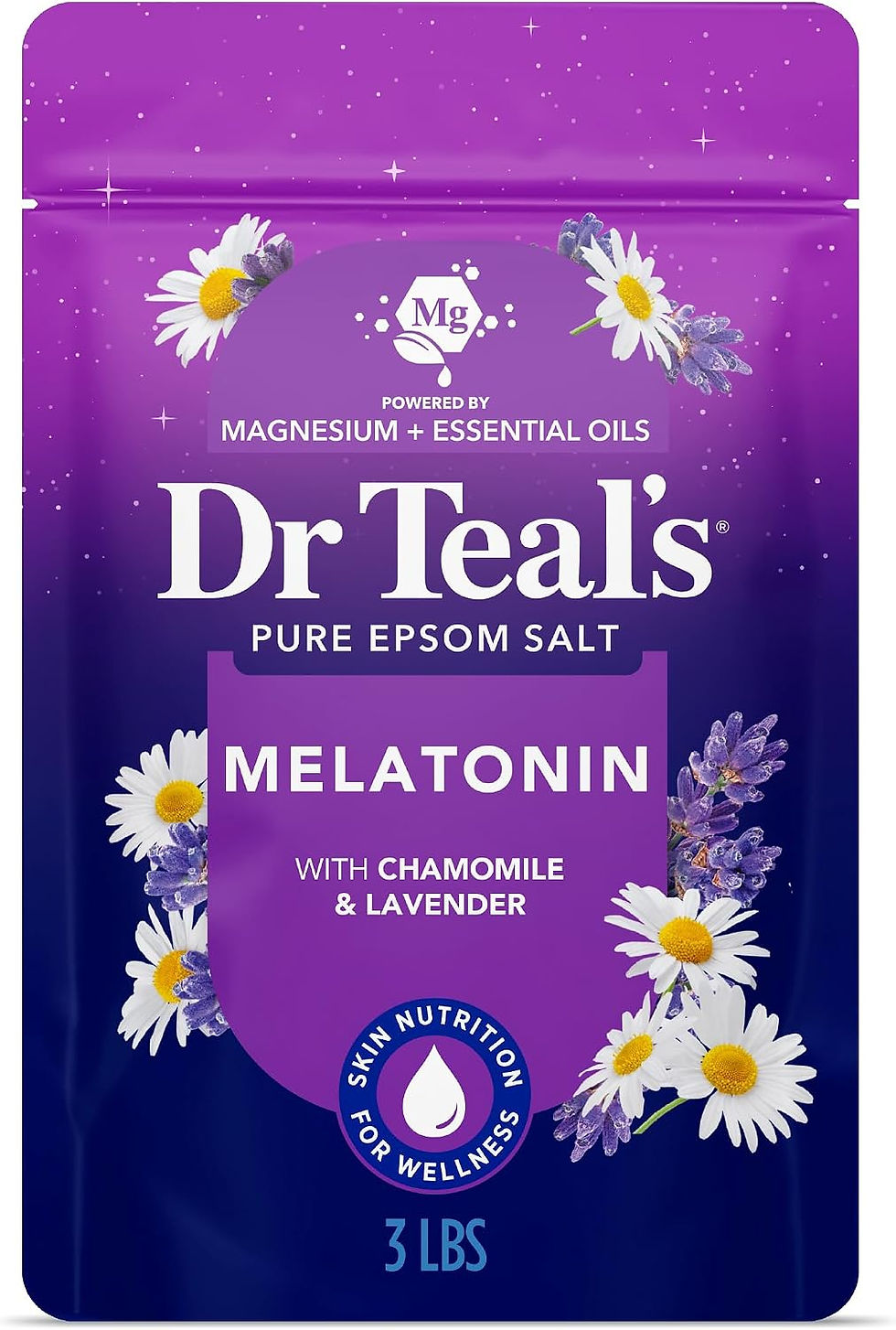
Recommended Sleep Accessories
Explore our carefully selected sleep accessories, chosen to help older adults get a more restful and rejuvenating sleep night after night.






Why Sleep Is So Important for Healthy Aging
Sleep isn't simply downtime. While we sleep, our bodies and brains are carrying out important work that helps us function the following day.
Quality sleep supports memory, concentration, mood, immune function, muscle recovery, heart health, metabolism, and overall physical and emotional well-being. It also affects something we notice immediately: how much energy and motivation we have to take care of ourselves.
Think about how different the day feels after a terrible night's sleep. Exercising suddenly sounds less appealing. Preparing a healthy meal feels like work. Patience gets shorter. Concentration gets harder. Even everyday tasks can feel more exhausting.
That's one reason we consider healthy sleep such an important part of healthy aging. Sleep doesn't operate independently from nutrition, exercise, balance, or emotional health. It helps support our ability to do all of them.
Does Sleep Change as We Get Older?
Yes, sleep patterns can change as we age—but needing less sleep and getting poor sleep aren't the same thing.
Older adults may notice that they become sleepy earlier in the evening and wake earlier in the morning. Sleep can also become lighter, with more frequent awakenings throughout the night.
Changes in health, medications, pain, stress, physical activity, and daily routines can also affect sleep as we get older.
That doesn't mean spending every night staring at the ceiling at 3 a.m. should simply be accepted as "getting old."
If you're consistently having difficulty falling asleep, staying asleep, or feeling rested during the day, it's worth looking at your sleep habits and discussing persistent problems with your healthcare provider.
How Much Sleep Do Seniors Need?
A common misconception is that older adults need dramatically less sleep.
Most adults—including adults over 65—still need roughly seven to eight hours of sleep per night, although individual needs vary.
The number of hours isn't the only thing that matters, either.
Sleep quality matters too.
Seven hours of relatively restful sleep can feel very different from eight hours interrupted by frequent awakenings. How you feel during the day can provide useful clues about whether you're getting enough restorative sleep.
If you're regularly struggling to stay awake, having difficulty concentrating, or feeling exhausted despite spending plenty of time in bed, there may be more going on than simply needing another cup of coffee.
Why Do Seniors Have Trouble Sleeping?
There isn't one single cause of poor sleep in older adults.
Sometimes the problem is environmental: a bedroom that's too warm, too bright, or too noisy.
Sometimes it's behavioral. Irregular bedtimes, too much time in bed, late caffeine, alcohol, long naps, limited daytime activity, or lots of evening screen time can interfere with a consistent sleep routine.
Health factors can also play a role. Pain, nighttime urination, medication effects, restless legs, sleep apnea, anxiety, depression, and other conditions can make restful sleep more difficult.
That's why improving sleep often begins with figuring out what is actually disrupting yours.
Keeping a simple sleep journal for a week or two can help. Write down approximately when you go to bed, when you wake, nighttime awakenings, naps, caffeine or alcohol use, exercise, and how rested you feel the following morning.
Patterns that are difficult to notice from one night may become much clearer across several weeks.
What Is Sleep Hygiene?
Despite the slightly odd name, sleep hygiene has nothing to do with how clean your sheets are.
Sleep hygiene refers to the habits and environmental factors that help create the conditions for healthy sleep.
The idea is simple: instead of expecting your brain to instantly switch from busy daytime mode to sound asleep, give your body consistent signals that it's time to wind down.
That can include maintaining regular sleep and wake times, reducing stimulating activities close to bedtime, keeping your bedroom comfortable, and developing a relaxing evening routine.
You don't have to create an elaborate 14-step nighttime ritual involving Himalayan salt lamps and whale songs.
Consistency matters more than perfection.
Can Exercise Help Seniors Sleep Better?
Regular physical activity and sleep have an interesting relationship: better sleep can make it easier to exercise, and regular exercise can help support better sleep.
Walking, strength training, cardio, balance exercises, yoga, and other forms of movement can all contribute to a more active lifestyle.
Exercise can also provide structure to your day, help manage stress, and give your body a clearer distinction between active daytime hours and nighttime rest.
The timing that feels best varies from person to person. Some people can exercise in the evening without any problem, while vigorous activity close to bedtime leaves others feeling wide awake.
Pay attention to your own response rather than assuming there is one perfect exercise schedule for everyone.
This section would also give you an excellent natural internal link to your Balance & Strength and Cardio & Core pillars.
FAQs About Sleep for Seniors
How much sleep do seniors need?
Most older adults still need around seven to eight hours of sleep each night, although individual sleep needs vary. Sleep quality and how rested you feel during the day matter in addition to total hours.
Are naps good for seniors?
Naps can be perfectly reasonable. However, long or late-afternoon naps may make nighttime sleep more difficult for some people. If that's happening, try shortening the nap or moving it earlier.
Is it normal for seniors to wake up during the night?
Sleep can become lighter and more fragmented with age, so nighttime awakenings may become more common. However, frequent awakenings that leave you chronically tired shouldn't automatically be dismissed as normal aging.
Can exercise improve sleep in older adults?
Regular physical activity can support healthy sleep as well as overall physical and mental health. Find activities appropriate for your abilities and a time of day that works well for you.
Why do older adults wake up so early?
Our circadian rhythm can shift earlier as we age, which can contribute to feeling sleepy earlier in the evening and waking earlier in the morning. Light exposure, routines, health conditions, medications, and sleep habits can also influence sleep timing.
What is the best bedtime for seniors?
There isn't one universal bedtime. A consistent schedule that allows you to get enough sleep and fits your natural sleep pattern is more important than going to bed at a particular hour.
How good sleep connects to other pillars
-
Deep Sleep is when muscle fibers grow and repair
-
Sleep helps reset our nervous system, our body awareness and stability, and motor control
-
Sleep restores the fuel needed for cardio endurance
-
Sleep influences how muscles take up nutrients
-
Sleep affects our appetite and blood sugar regulation
Sleep is vital for emotional regulation, memory consolidation, and stress resilience
Disclaimer: This page is for educational purposes only. Please consult your physician or health professional before making any changes to your health or diet plan.