


Sleep Accessories for Seniors
At Ageless Conversations, we believe healthy sleep is an important part of healthy aging. Along with choosing helpful sleep products, maintaining a consistent bedtime routine, staying physically active, managing stress, and creating a comfortable sleep environment can all support better rest.
Explore our collection of senior sleep products and accessories to find simple ways to make bedtime more comfortable and restful.
Sleep Accessories
As an Amazon Associate, we earn from qualifying purchases. This means we may earn a small commission if you purchase through our links, at no additional cost to you. We only recommend products we genuinely believe can help our readers.


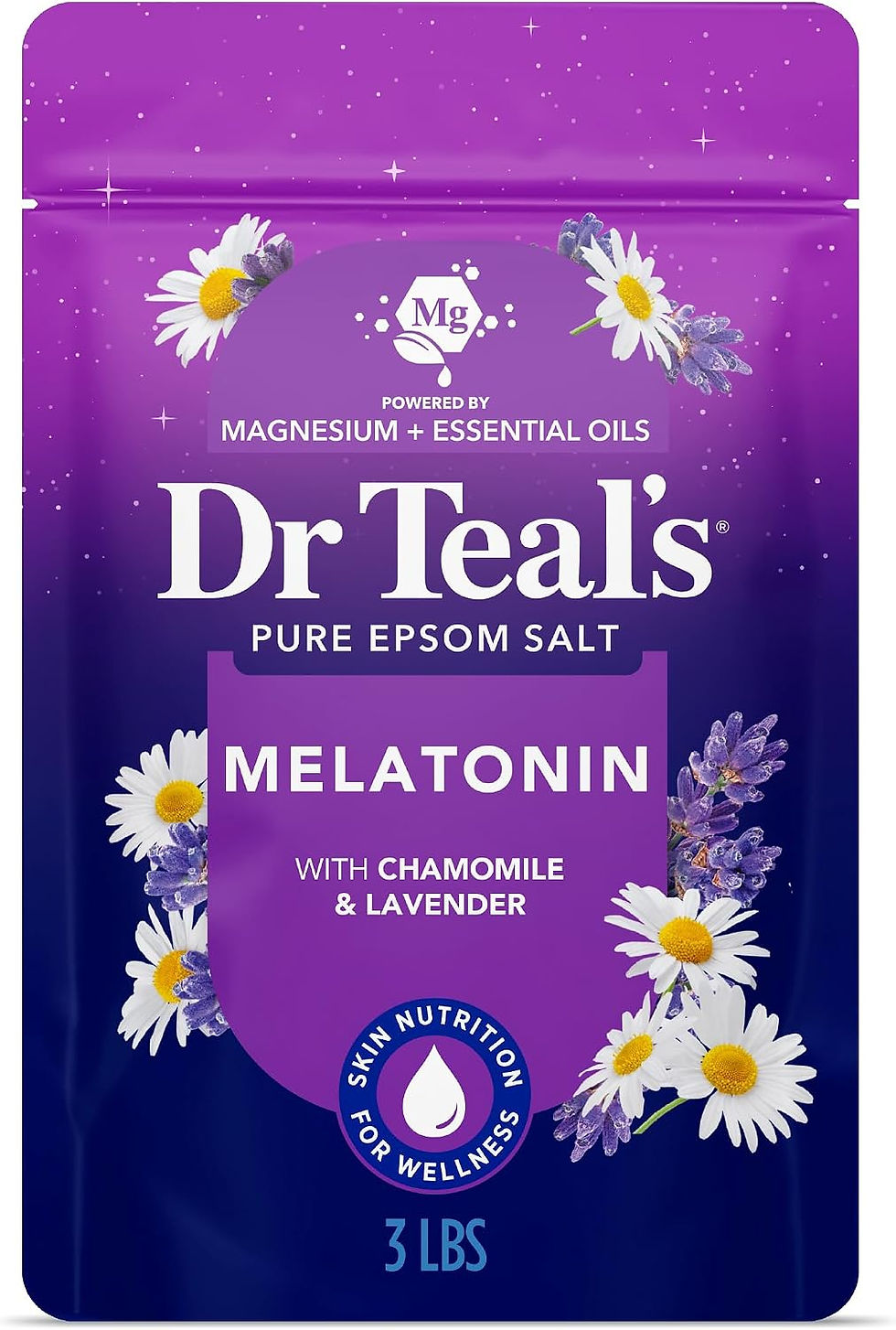


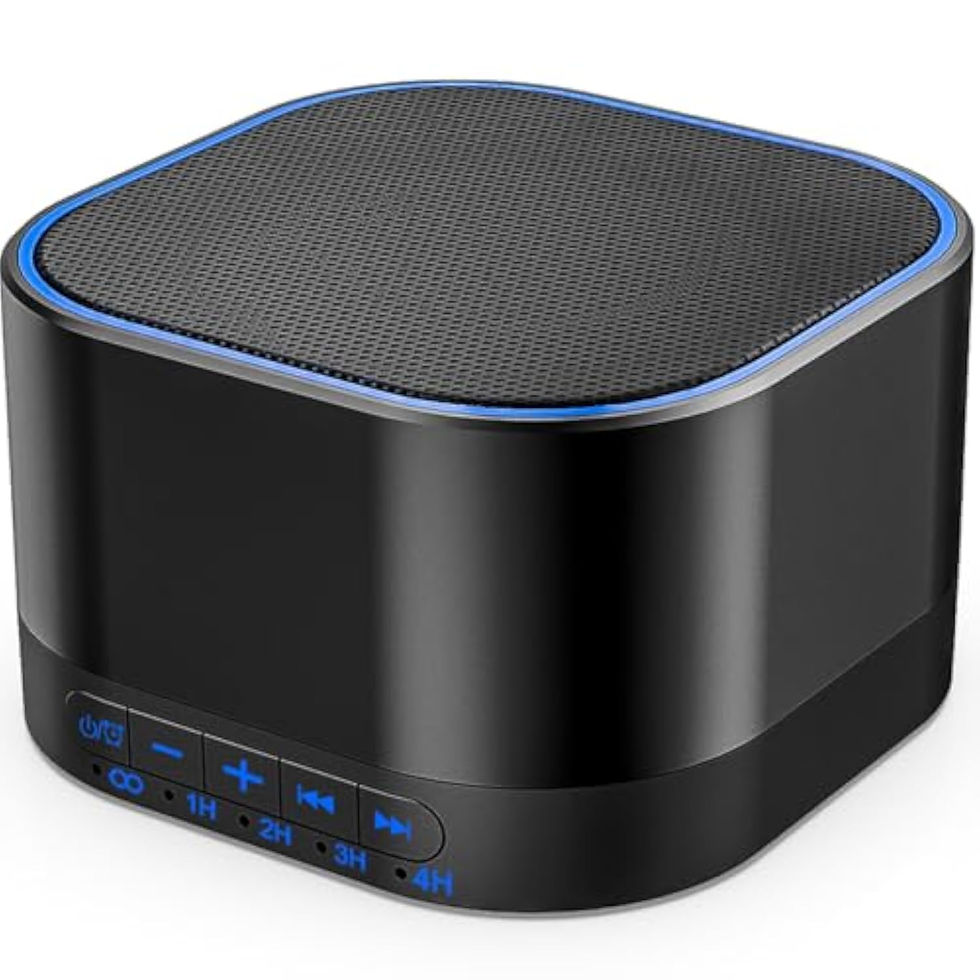


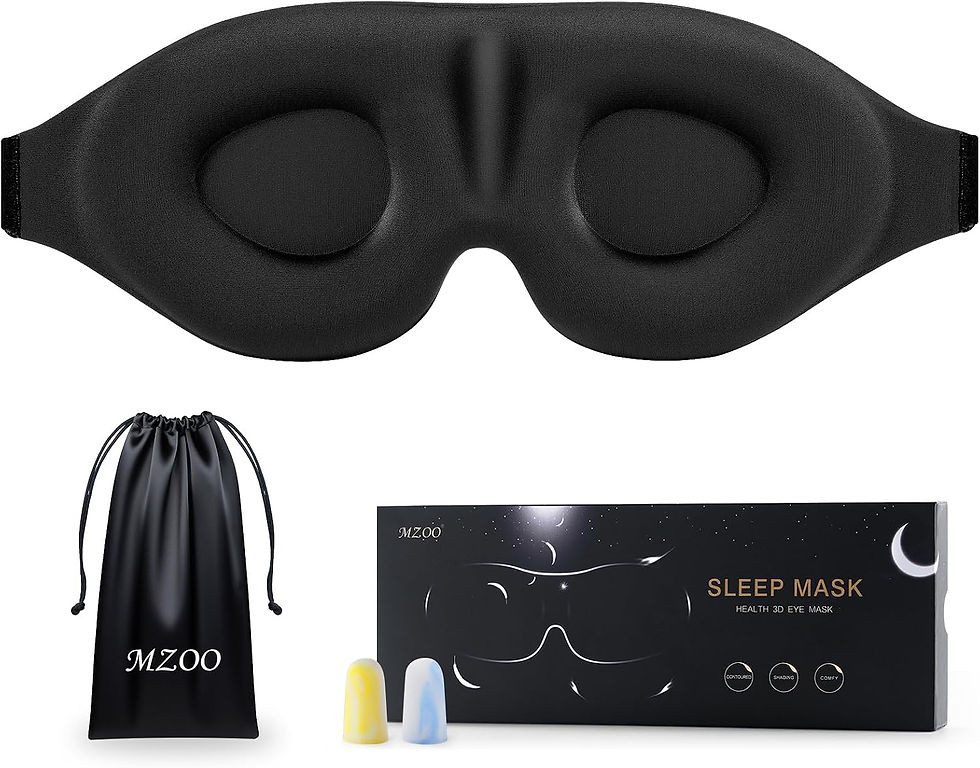


Sleep Accessories for a More Comfortable Night’s Rest
Creating a better sleep environment doesn’t always require a major change. Sometimes small adjustments—less light, less noise, cooler bedding, or a more relaxing bedtime routine—can make your bedroom feel more comfortable and conducive to rest.
That’s where the right sleep accessories can help.
Sleep masks, white noise machines, earplugs, cooling bedding, relaxation tools, and other bedtime products can help address different parts of your sleep environment. The key is identifying what tends to interfere with your sleep and choosing products that address those specific needs.
No sleep accessory can guarantee a perfect night's rest, but thoughtfully chosen products can help create an environment that makes winding down and staying comfortable a little easier.
How to Choose the Best Sleep Accessories for Your Needs
There isn't one collection of sleep accessories that works for everyone. Some people are sensitive to light. Others wake easily because of noise. Some struggle to stay comfortable because they get too warm at night, while others have trouble relaxing when it's time for bed.
Instead of buying every sleep product you see, start by asking a simple question:
What is getting in the way of my sleep?
Once you've identified the problem, you can look for an accessory designed to address it.
Sleep Masks for Light Control
A dark bedroom can help create a more sleep-friendly environment, but eliminating every source of light isn't always practical.
Streetlights, early morning sunlight, electronics, a partner reading, or light coming through curtains can all brighten a bedroom. A sleep mask provides a simple way to block unwanted light without changing the entire room.
Look for a mask that feels comfortable around your eyes and nose, stays securely in place without feeling overly tight, and uses breathable materials. If you sleep on your side, you may also prefer a lower-profile design that doesn't press uncomfortably against the pillow.
White Noise Machines and Sound Accessories
If barking dogs, traffic, neighbors, household sounds, or a partner's schedule frequently interrupt your sleep, sound may be one of the first parts of your environment worth addressing.
White noise machines and other sound machines create consistent background sound that can help mask sudden changes in environmental noise.
Many machines offer more than traditional white noise, with options such as fan sounds, rainfall, ocean waves, or other continuous sounds. The best choice is usually whichever sound you find relaxing rather than distracting.
For people who prefer quiet, sleep earplugs may be another option. Comfort is particularly important because you'll potentially be wearing them for several hours.
Cooling Sleep Accessories for Hot Sleepers
Temperature can have a surprisingly large effect on how comfortable you feel in bed.
If you frequently wake up hot or find yourself throwing off the covers during the night, cooling sleep accessories may help make your sleeping environment more comfortable.
Cooling sheets, breathable blankets, lightweight bedding, and moisture-wicking materials are designed to help reduce heat buildup compared with heavier or less breathable fabrics.
Rather than focusing only on thread count or how luxurious bedding feels in the package, consider breathability, fabric, weight, and how warm you typically sleep.
The goal isn't to make yourself cold. It's to create a comfortable environment where you're less likely to spend the night performing the ancient ritual of blanket on, blanket off, blanket on again.
Relaxation Accessories for Your Bedtime Routine
Sometimes the biggest challenge isn't the bedroom itself—it's making the transition from a busy day to sleep.
Relaxation-focused sleep accessories can become cues that tell your brain and body that the day is winding down.
That might include a guided breathing or meditation tool, aromatherapy diffuser, relaxing bath products, calming audio, or another activity you consistently associate with bedtime.
The accessory itself isn't magic. The real value may come from creating a repeatable routine around it.
For example, you might dim the lights, take a warm bath, turn on your white noise machine, spend a few minutes breathing or meditating, and then put on your sleep mask.
Over time, those small rituals can become part of a consistent bedtime routine.
Weighted Blankets and Comfort Products
Some people enjoy the sensation of a weighted blanket because the added weight can feel comforting and relaxing.
But heavier isn't automatically better, particularly for older adults.
A weighted blanket should never make it difficult to move, change positions, breathe comfortably, or get out of bed. Older adults with mobility limitations, respiratory or circulatory conditions, or other health concerns should talk with a healthcare professional before using one.
If weight isn't right for you, comfort can also come from softer or more breathable bedding, supportive pillows, or simply adjusting your bedroom temperature and nighttime routine.
What to Look for When Shopping for Sleep Accessories
Because sleep products are designed to be used for hours at a time, comfort should come first.
For anything you wear, consider fit, pressure, breathability, and materials. For bedding, consider temperature and ease of care. For electronic products, look for simple controls, adjustable settings, and features you'll realistically use.
Older adults may also want to consider accessibility. Tiny buttons, complicated apps, difficult clasps, or products that create obstacles around the bed can turn something intended to help into an unnecessary frustration.
Choose sleep accessories that make bedtime simpler and more comfortable—not more complicated.
FAQs About Sleep Accessories
What are the best sleep accessories for seniors?
The best products depend on what interferes with your sleep. Sleep masks may help with unwanted light, white noise machines or earplugs can address environmental noise, and breathable bedding can improve comfort for people who sleep hot.
Are cooling sleep accessories helpful for seniors?
Cooling sheets, breathable blankets, and lightweight bedding may make the bed more comfortable for people who tend to overheat at night. Look for breathable materials and bedding appropriate for your individual comfort needs.
What sleep accessories can help block light?
Blackout curtains and sleep masks are common options. A comfortable sleep mask can be especially useful when you can't completely control the lighting in your bedroom.
Do sleep accessories actually improve sleep?
Some accessories can help improve specific aspects of your sleep environment, such as unwanted light, noise, or temperature. However, they're best used alongside healthy sleep habits rather than as a substitute for them.
What can I use to reduce noise while sleeping?
White noise machines, fans, sound machines, and earplugs can all help manage unwanted nighttime sounds. Choose an option that is comfortable and doesn't prevent you from hearing important alarms or alerts.
What should I buy first to improve my sleep?
Start by identifying your biggest problem. If it's light, start there. If it's noise, address noise. If it's temperature, look at your bedding and bedroom environment. You usually don't need to change everything at once.
Sleep Resources
Explore our collection of sleep blogs and research to help you get the best night sleep of your life by building small habits one at a time.

Many older adults believe poor sleep is simply part of aging, but apparently that is not true. Research shows that healthy sleep is absolutely possible later in life, and it plays a major role in physical health, mental well‑being, and brain function. Read our blog to learn more.

