


The Core of it All– Staying Upright After 60
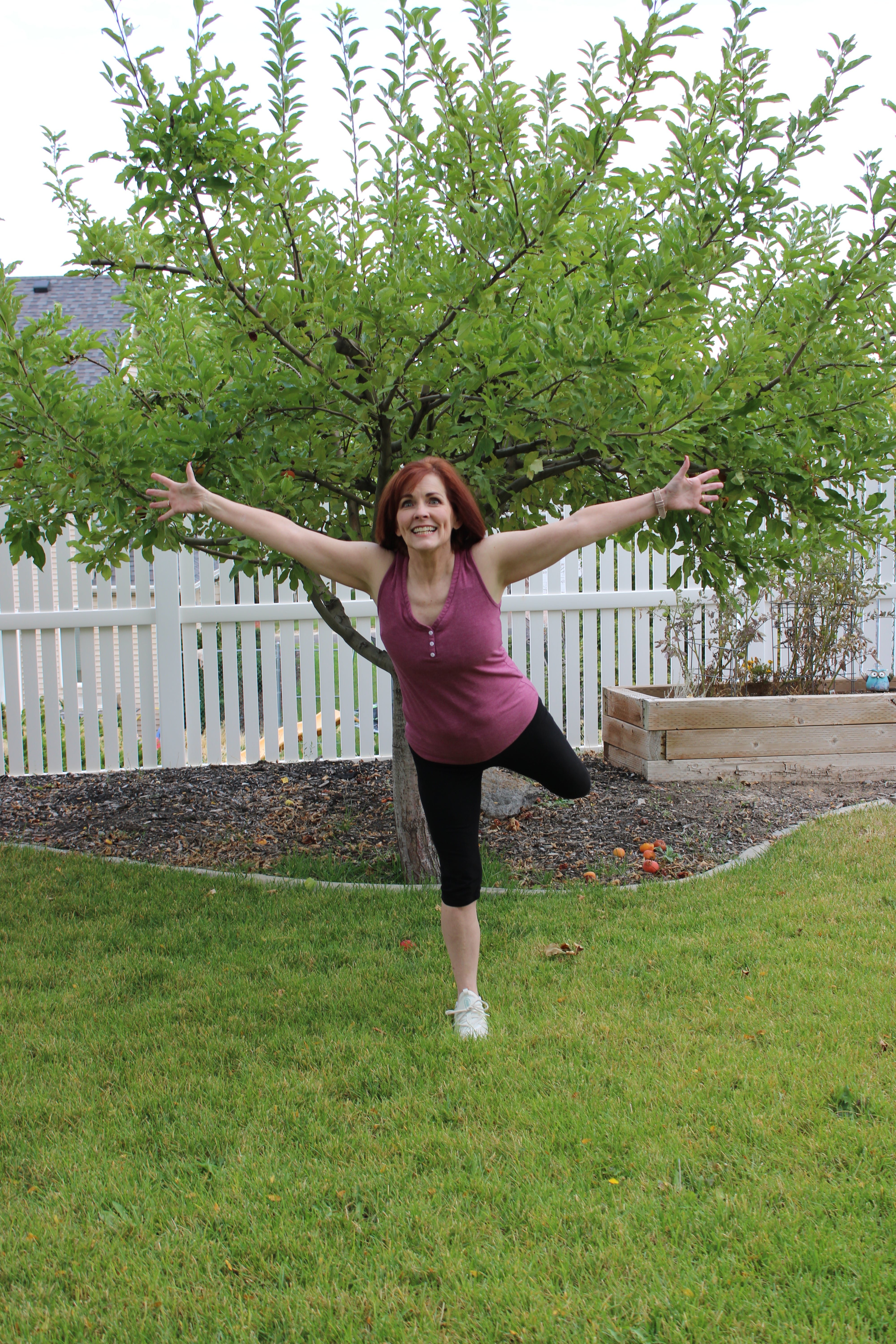

I don’t think many of us in the over 60 category are chasing six pack abs. The real flex for us is staying upright and independent, which absolutely requires core strength. When I was in neural rehab last year, one of my therapists taught me all about core stability and how it would help me to not fall. As a bit of a wobbly one, I’ll do anything I can to avoid falls!
A group of researchers from India reviewed 20 studies on seniors and core training. Their verdict? Strengthening the deep muscles around our abdomen, spine, pelvis, and hips makes a huge difference:
Steadier walking and smoother movement.
Better posture (I can hear my physical therapist's voice in my head “stand up straight!”).
Improved balance—both standing still and moving.
Reduced fall risk, which is one of the biggest health threats as we age.
More independence and quality of life.
So, while we may want to look inoffensive in a swimsuit come summer, strengthening our core is about way more than that. We want to be walking on our own with great posture and not falling.
The Core Nitty-Gritty–Not Just Abs
We may be surprised to learn that our core muscles are not limited to the ones around our belly buttons. As shown in the figure below, they are the muscles that cradle and support our trunk and spine and enable crucial movement.

Rectus abdominis (the “six-pack”)
Transverse abdominis (deep, horizontal muscles)
Internal and external obliques (side abs, rotation)
Multifidus, erector spinae, and lower back muscles
Pelvic floor and glutes
A Strong Core:
Prevents back pain and injury by stabilizing the spine and joints
Improves posture, balance, and movement efficiency
Boosts athletic performance (power, speed, agility)-- gimme that pickleball prize!
Supports daily activities—from carrying groceries to playing with grandkids
Supports breathing and pelvic function
How Can We Strengthen Our Cores?
Most importantly, we do not need to do crunches. No sit-ups either. Yay! Turns out that those exercises hit a few abdominal muscles but don’t come close to working out our range of core muscles effectively.
We have created a core program that hits all the stability muscles. When done correctly (zip up to engage pelvic core and maintain good form) they are also more protective of our backs and necks than standard crunches and situps. Read all about zipping up, and then check out our core program!
Aside from core exercises, we can develop the habit of keeping our pelvic floor and front abdominal muscles engaged (zipping up). If we remind ourselves while doing daily activities, it will eventually become automatic.
In a Nutshell
We need to look at and train our core as an integrated system rather than just visible abs (or not so visible, in my case). As flattering as a flat tummy may be, our focus is on supporting our entire body, reducing injury risk, and improving movement efficiency in everyday life and activities. That’s the “core” of it all!
Resources:
Disclaimer:
The information provided in this blog post is for educational and informational purposes only and is not intended as personal medical or health advice. Always consult with a qualified physician or healthcare professional before beginning any new exercise or core training routine, especially if you have pre-existing health conditions, injuries, or concerns.


Comments