


Cardio &
Core for
Seniors
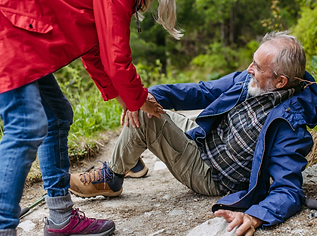
Regular physical activity is so powerful it’s been called a “miracle drug.” Staying active can lower the risk of heart disease and premature death while improving strength and balance. Sometimes we forget about our core stability muscles, which are much more than just abs! These deep muscles play a huge part in keeping us upright and steady. Both aerobic and core exercises help prevent falls, the leading cause of injury among older adults and one of the most preventable threats to healthy aging.
In this pillar we focus on keeping our heart and lungs healthy and strengthening the deep muscles that stabilize our spine and joints for:
-
Heart and lung strength
-
Efficient oxygen delivery
-
Brain Function
-
Circulation
-
Body awareness (proprioception)
-
Quicker reaction time
-
Straighter posture
STEPS:
-
Use our simple core exercise twice a week
-
Explore our cardio exercise ideas and cardio workouts
-
Do 3 cardio exercises per week
-
You can combine your core exercises with either cardio or strength training days
The resources below can help you learn about the importance of and research behind aerobic (cardio) and core exercise. You can also download our getting started guide that includes a weekly tracker to track your goals across each of the five pillars.
Cardio & Core Resources for Seniors




Explore Recommended
Cardio & Core Equipment
Explore our carefully selected cardio and core equipment, chosen to help older adults build core strength, improve balance, increase mobility, and stay active safely and confidently. Whether you're just getting started or advancing your routine, you'll find trusted equipment to support every step of your wellness journey.


Why Cardio & Core Strength Matter as We Age
Cardiovascular exercise and core training may seem like two very different types of exercise, but together they support many of the abilities we rely on every day.
Cardio exercise for seniors helps challenge the heart and lungs while building the endurance needed for walking, climbing stairs, traveling, shopping, gardening, and staying active throughout the day.
Core exercises for seniors strengthen the muscles that stabilize the trunk and help us maintain posture, control movement, transfer force between the upper and lower body, and stay steady during everyday activities.
You don't need to run marathons or perform hundreds of crunches to benefit from either one.
Walking, cycling, swimming, dancing, seated cardio, recreational activities, and other forms of aerobic movement can all contribute to cardiovascular fitness. Core training can include simple seated, standing, or floor exercises designed around your current abilities.
The goal is straightforward: build the endurance to keep moving and the stability to control that movement.
What Counts as Cardio Exercise for Seniors?
Cardio—or aerobic exercise—is any sustained physical activity that increases your heart rate and makes you breathe harder than you do at rest.
Walking is probably the most familiar example, but it certainly isn't the only option.
Depending on your abilities and interests, cardio exercises for older adults can include brisk walking, stationary cycling, swimming, water aerobics, dancing, hiking, rowing, elliptical training, low-impact aerobics, recreational sports, or even seated cardio.
The best cardio exercise isn't necessarily the activity that burns the most calories or produces the most impressive fitness statistics.
It's one that is appropriate for your abilities, gets your body moving, and you enjoy enough to do consistently.
If you hate jogging but love dancing, dance.
If walking hurts but a stationary bicycle feels great, cycle.
There's no prize for choosing the exercise you dislike most.
How Much Cardio Do Seniors Need?
Current physical activity recommendations encourage adults 65 and older to aim for at least 150 minutes of moderate-intensity aerobic activity each week, or about 75 minutes of vigorous activity, or an equivalent combination.
That number can sound intimidating when you're starting from zero, so don't let 150 minutes become a reason to do nothing.
Activity can be divided across the week. A 30-minute walk five days a week is one option, but shorter periods of activity can also add up.
If you're currently inactive, start with what you can comfortably do and gradually build from there.
Ten minutes of movement is more than zero minutes of movement.
The long-term goal is to make physical activity part of your normal week rather than something you attempt enthusiastically for six days every January.
What Is Your Core?
When most people hear "core," they immediately think abs.
Your abdominal muscles are part of your core, but they're not the whole story.
Your core includes groups of muscles around your trunk, abdomen, back, hips, pelvis, and diaphragm that work together to stabilize your spine and control movement.
These muscles are active during much more than traditional abdominal exercises.
You use your core when you stand up, walk, reach, turn, bend, carry groceries, climb stairs, get out of bed, lift something, and respond when your balance shifts.
That's why core strength becomes so relevant to healthy aging.
We're not training the core simply because we want stronger abs.
We're training it because the center of the body is involved in almost everything else we do.
Why Core Strength Is Important for Seniors
A strong, responsive core provides a stable foundation for movement.
Your core helps control your trunk while your arms and legs move around it. It contributes to posture, supports your spine, and helps transfer force between the upper and lower body.
Think about carrying a grocery bag in one hand.
The weight pulls your body toward one side, and your trunk muscles have to respond to keep you upright.
Or imagine reaching into a high cabinet, turning to look behind you, getting out of a car, or stepping over something on the ground.
All of these activities require some combination of core strength, coordination, mobility, and balance.
That's why core training should focus on functional movement and stability—not simply doing as many crunches as possible.
Core Strength and Balance Work Together
Balance depends on more than your core, but core stability plays an important role in controlling your body as your position changes.
When you reach, turn, step, or shift your weight, your trunk needs to remain controlled while the rest of your body moves.
That's why core and balance exercises for seniors complement each other so naturally.
A good balance program should also challenge other important systems, including leg strength, coordination, reaction, vision, proprioception, and your ability to adjust your body when your position changes.
Your page already includes a Balance Test to establish a baseline and a Fall Prevention Guide explaining why balance deserves attention.
I'd make those resources part of the narrative rather than treating them as separate pieces of content.
Cardio, Core Strength and Fall Prevention
Falls aren't caused by one thing, which means there isn't one magical "fall prevention exercise."
Fall risk can be influenced by strength, balance, medications, vision, environment, health conditions, mobility, footwear, reaction time, and other factors.
Exercise can address several physical pieces of that puzzle.
Strength training helps build the muscular capacity needed for movement. Balance exercises challenge stability and coordination. Core training helps control the trunk. Cardio builds the endurance needed to remain physically active.
That's why Ageless Conversations doesn't treat one type of exercise as the answer.
A well-rounded approach gives your body multiple opportunities to practice the abilities involved in moving through the world.
FAQs About Cardio & Core Exercise for Seniors
What is the best cardio exercise for seniors?
There isn't one best exercise. Walking, cycling, swimming, water aerobics, dancing, seated cardio, and other aerobic activities can all be good options depending on your health, mobility, preferences, and fitness level.
What are good core exercises for seniors?
Appropriate exercises depend on ability, but options may include bridges, bird dogs, dead bugs, seated marches, controlled knee lifts, and standing or seated stabilization exercises.
How much cardio should seniors do each week?
General physical activity recommendations encourage older adults to work toward at least 150 minutes of moderate-intensity aerobic activity per week, or an equivalent amount of vigorous or combined activity. Beginners can start with smaller amounts and gradually increase activity.
Can seniors strengthen their core without getting on the floor?
Yes. Core exercises can be performed while seated or standing, which can be particularly helpful for people who have difficulty getting onto or up from the floor.
Is walking enough cardio for seniors?
Walking can absolutely count as cardiovascular activity when performed at an intensity that increases your heart rate and breathing. How challenging walking is will vary from person to person.
How often should seniors do core exercises?
Core exercises can be incorporated into strength, balance, or dedicated core sessions several times during the week depending on exercise intensity, experience, and recovery.
How cardio & core connects to other pillars
-
Core strength improves mobility.
-
Strength stabilizes balance.
-
Cardio builds endurance to stay upright longer.
-
Mental wellness reduces fear of movement.
-
Nutrition keeps us energized to avoid light-headedness and dizziness.
Core strength and cardio gives us confidence to move boldly through the world.
Disclaimer: This page is for educational purposes only. Please consult your physician or health professional before making any changes to your health or diet plan.