


Chronic Pain: Finding Balance, Strength, and Relief
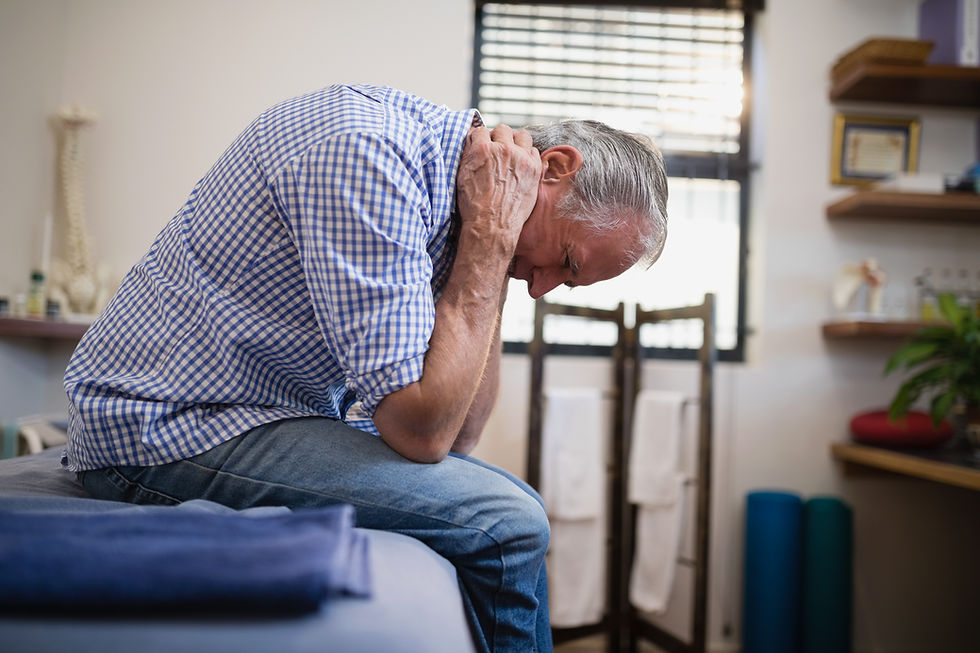
Chronic pain, defined as pain lasting longer than three to six months, is like a naggy neighbor who shows up every day and makes you want to move to Iceland. For many older adults, it arises from arthritis, back or joint pain, stiffness, neuropathy, or widespread body aches. Changes in our bodies due to aging can make pain feel worse and more persistent.
And chronic pain isn’t just physical. It can sidle into every part of life by affecting sleep, mobility, mood, and even memory. For me, back, neck, and pelvic girdle pain mean I can’t sit or stand too long without discomfort. It makes me hesitate to schedule evening plans or commit to social outings. Pain can quietly shrink our world if we let it.
What Causes Chronic Pain?
Common Causes:
Degenerative conditions such as osteoarthritis or osteoporosis
Nerve damage from injury or illness
Systemic inflammation that keeps the body in a state of alert
Autoimmune diseases like rheumatoid arthritis or fibromyalgia
Cancer
Complicating Factors
Existing conditions (heart disease, diabetes, or kidney problems) complicate pain management
Multiple medications increase the risk of drug interactions
Cognitive decline or fear of procedures can delay reporting pain and worsen outcomes
Unhealthy lifestyle habits like smoking, misuse of alcohol, lack of exercise, poor nutrition, etc. make pain less manageable
Medication: A Helpful Tool but Not the Whole Toolbox
Medication can absolutely improve quality of life. However, there are increased risks to seniors from drugs, but older adults metabolize drugs differently, and side effects can be more pronounced. NSAIDs (like ibuprofen) may pose risks for those with kidney, liver, or heart issues, and sedating painkillers can increase fall risk. It is critical that we partner with healthcare professionals when using any kind of pain meds, starting with low doses and progressing slowly.
Again, pharmaceuticals can help, but they are far from the full answer. Holistic strategies that involve physical, mental, emotional, and spiritual care are powerful allies in pain management.
Non-Medication Approaches That Work
My physical therapist once told me: “Try physical therapy and meditation before you consider surgery or heavy-duty medications.” That advice opened my eyes to a whole slew of alternative treatments.
Try These (all supported by research):
Gentle movement:
Gentle, consistent activity keeps pain from taking over.


Physiotherapy:
Individualized exercise programs improve function, flexibility, and balance.
Mind-body techniques:
Meditation, relaxation, and cognitive-behavioral therapy can calm the nervous system and ease pain perception.


Sleep and nutrition:
Rest and anti-inflammatory foods (colorful produce, omega-3s, whole grains) support healing.
Social connection:
Staying engaged reduces isolation and lifts mood.


Swearing (yes, really):
Research shows that a well-timed cuss word can alleviate pain (as long as it isn’t too frequent). Maybe don’t do it at church.
Personal Favorites
Strengthening my back and neck muscles has given my spine better support.
Learning posture and core stability (“zip it up!”) helps relieve pressure.
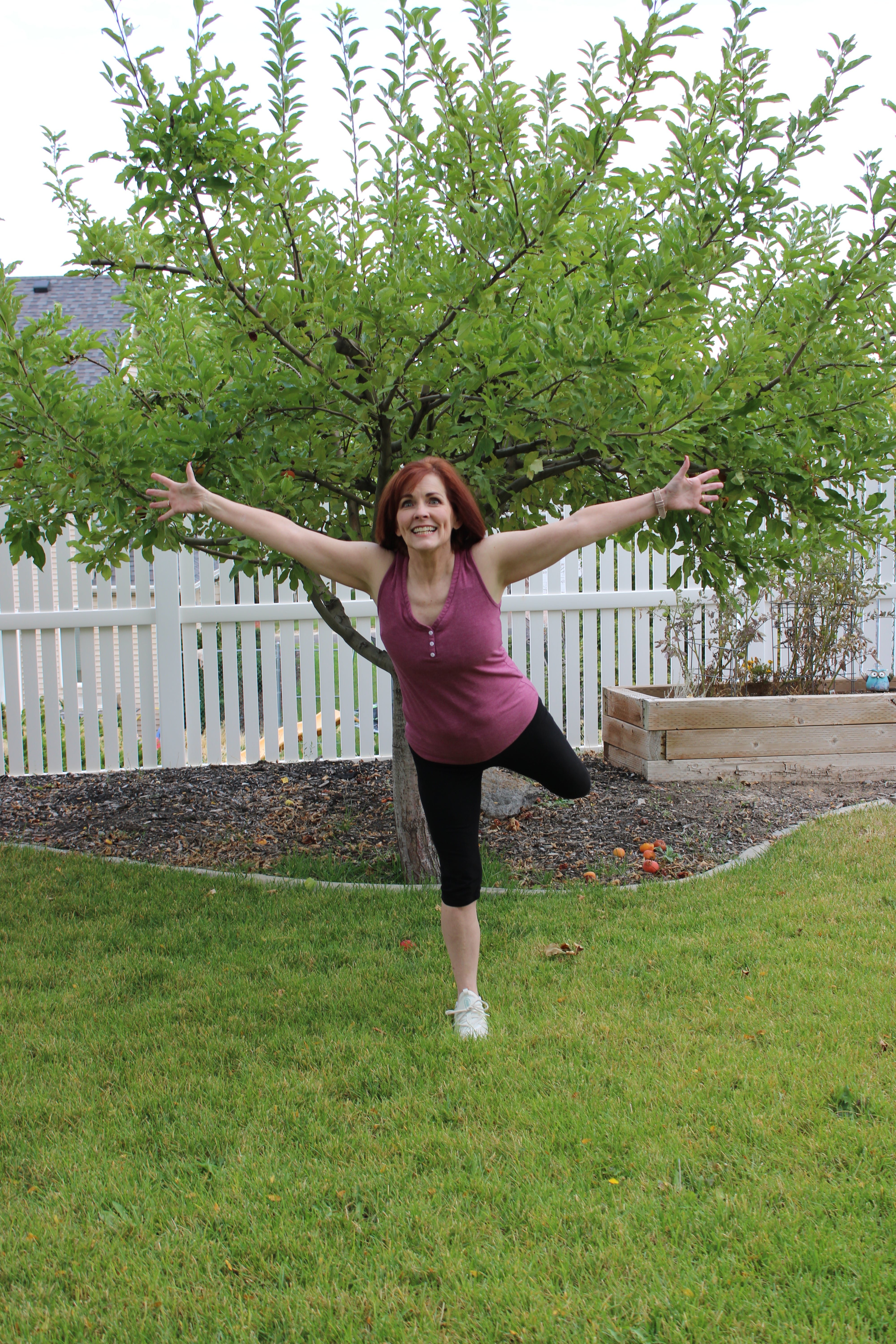
Walking and yoga keep me limber.
I do body-scan meditations, soak in a hot tub, and use a massage chair.
Since inflammation fuels pain, I focus on whole, nutritious foods and limit sugar and processed goods.
And yes, I’ll admit to saying every swear word I know on really bad days. It makes my daughter laugh hysterically, which helps too.
When Medical Interventions Are Needed
Sometimes, surgery or medication is the right call, and that’s okay. When arthritis in my thumb joint made it impossible to hold things, I had surgery to replace it. For nerve pain from a spinal cord injury, I take medication because nerves are tricky. Balance is the key. When we use all the tools, such as movement, nutrition, emotional support, and good medical care, we have the best chance at relief.
Practical Tips for Everyday Living
Move daily: Gentle, consistent activity keeps pain from taking over.
Speak up early: Don’t “tough it out.” Early intervention prevents pain from worsening and making things harder on you and your family.
Care for emotional health: Chronic pain can lead to isolation and depression, so we need to reach out for support. This might mean talking to doctors, therapists, friends, or family members. Or the dog.
Combine strategies: Physical activity, nutrition, lifestyle changes, and medical care work best together. Scientifically proven.
Bottom line
Chronic pain may be part of aging, but it doesn’t have to suck all the fun out of life. On tough days it is absolutely okay to feel discouraged. I find it helpful to scream into the void (or a pillow) or throw chipped dishes onto the concrete below my deck (always remember to sweep up shards when you feel better).
All levity aside, the more we learn and take ownership of our health, and the more tools we use to manage our pain, the more we can live fully and joyfully. Remember, we’re worth it!
Resources:
Management of Chronic Pain in Elderly Patients: The Central Role of Nurses in Multidisciplinary Care


Comments